
From the Cybr blog
CompTIA Security+
Read Cybr articles tagged CompTIA Security+.
Browse the archive
More CompTIA Security+ articles
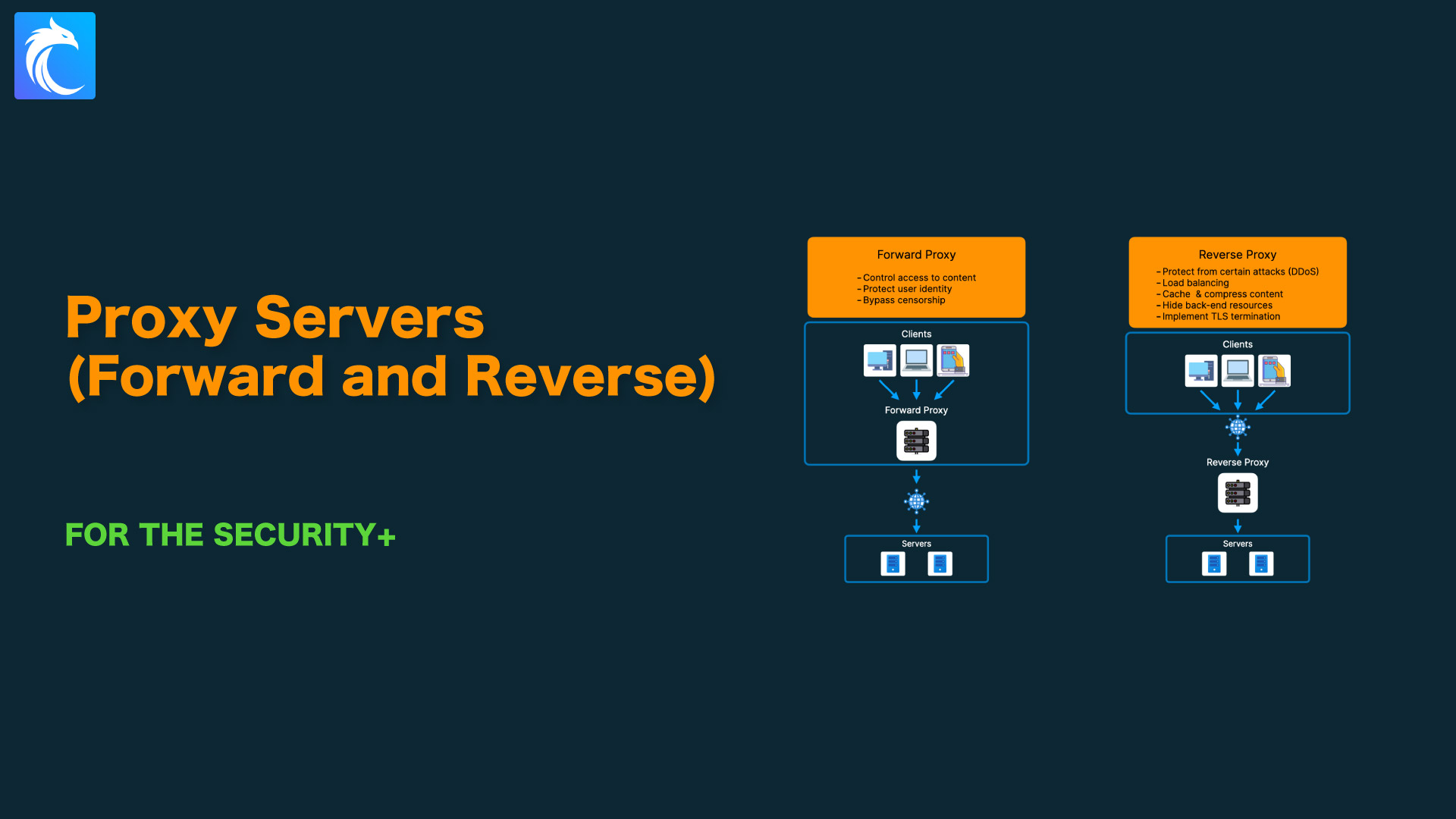
Proxy Servers
Proxy servers are a topic that you can expect to get quizzed on in the CompTIA Security+ exam. To make sure you can answer questions…
Read articleNext-Generation Firewalls (NGFWs)
For the CompTIA Security+ exam, it’s important to understand what Next-Generation Firewalls (NGFWs) are. In this article, let’s learn about additional functionality that we get…
Read articleNetwork Access Control Lists (NACLs) and Security Groups (SGs)
Access Control Lists (ACLs) also known as Network Access Control Lists (NACLs) and Security Groups (SGs) are used to allow or deny inbound or outbound…
Read article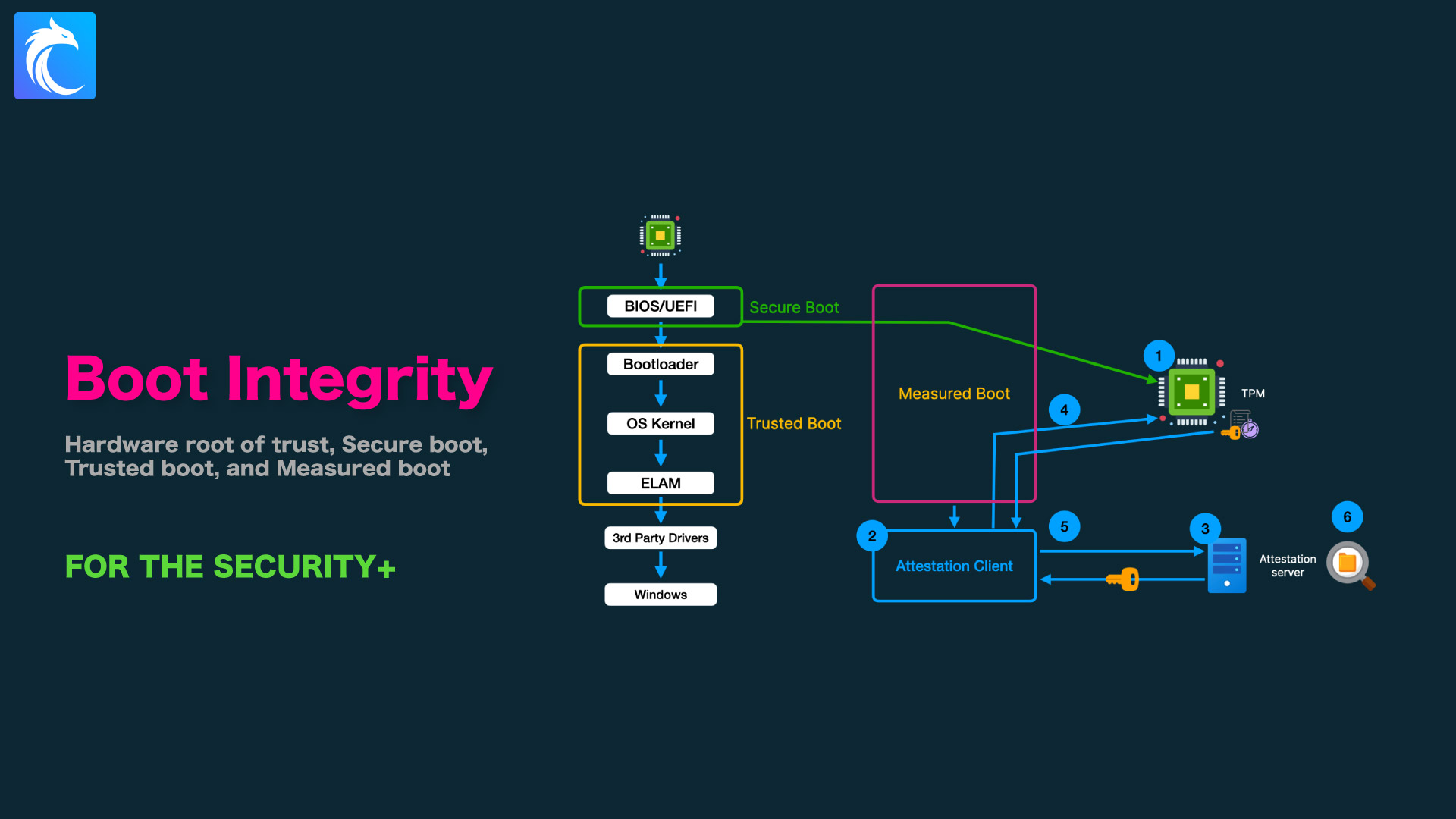
Boot Integrity
Ever hear of a rootkit before? A rootkit is a malicious piece of software that’s designed to give admin control of the targeted system to…
Read articleImportant pentesting concepts for the Security+
You’ve been running vulnerability scans on a regular basis, you’ve expanded that into a broader vulnerability assessment approach, and you’ve been fixing everything that’s been…
Read articleAuthentication Protocols (802.1X, EAP/PEAP, EAP-FAST/TLS/TTLS, and RADIUS)
Let’s talk about network authentication protocols that we can use and that we need to know for the CompTIA Security+ exam. We’re going to discuss:…
Read articleNetwork segmentation
Network segmentation is a really important topic to understand for IT in general, but also for security. As we deploy resources in our networks, creating…
Read article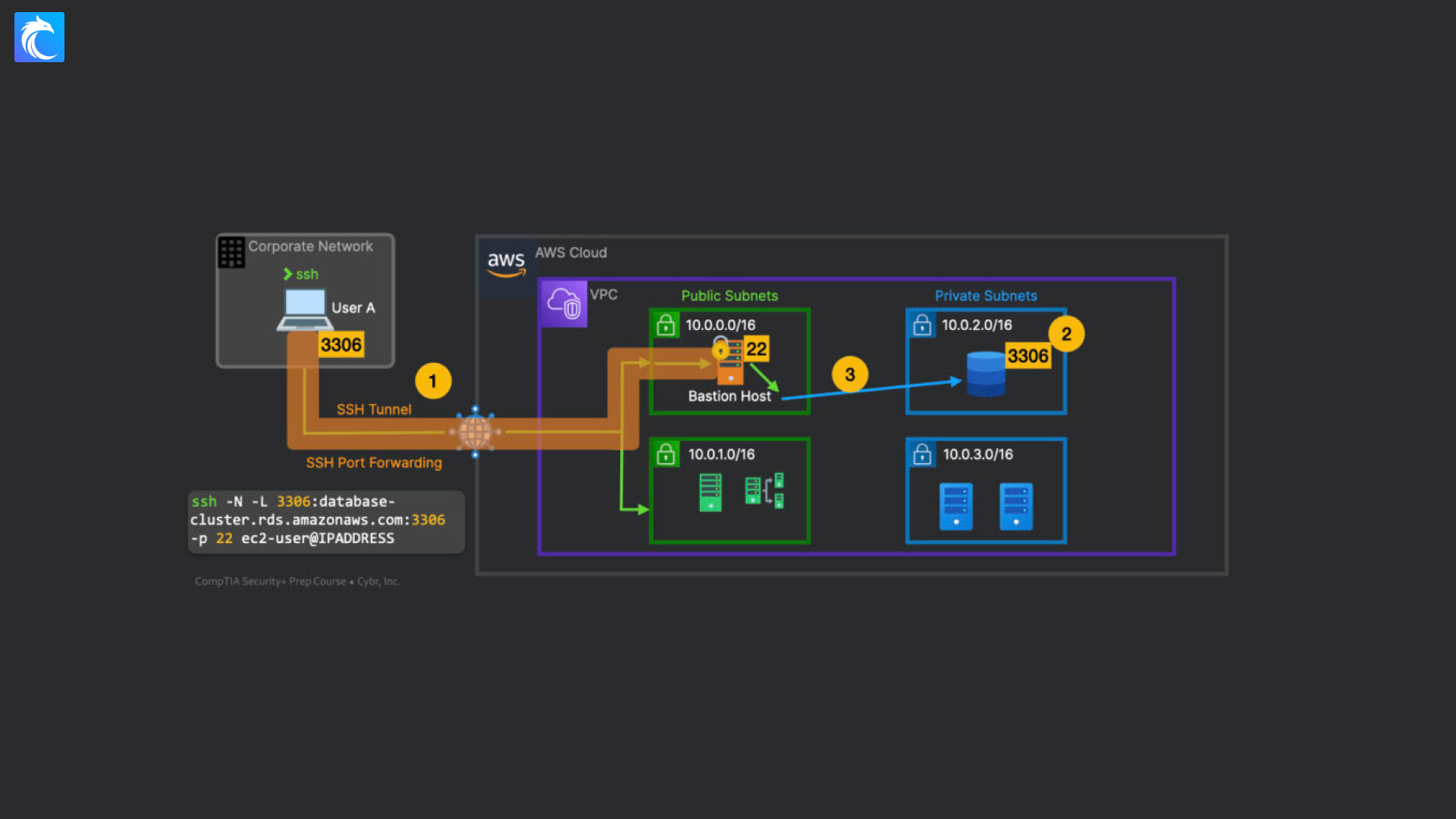
Jump servers (aka bastion hosts)
One of the challenges with having network segmentation is that it not only prevents attackers from accessing private networks and private resources, but it also…
Read article
Bluesnarfing and Bluejacking
Studying for the Security+ exam? Here’s a quick and easy read for a topic covered in the exam objectives. What is bluesnarfing? If you were…
Read article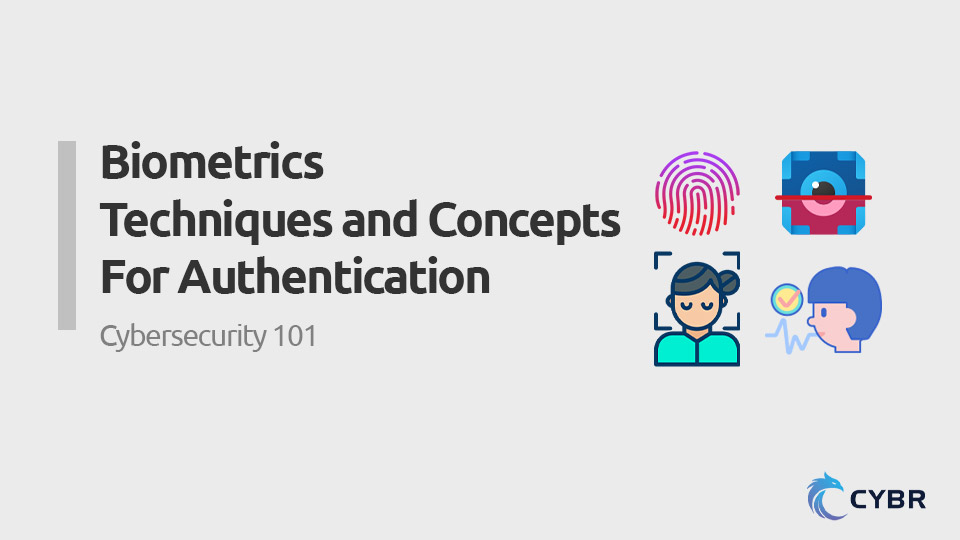
Biometrics techniques and concepts for authentication
We talked about how biometrics can be used for multifactor authentication in order to verify someone’s identity. Biometric authentication refers to something you are (as…
Read article